Tuesday, 30 April 2013

Negotiated, preferred and oppositional media responses

Audience responses
In this blog post I will look at the different types of responses that audiences can have to a media product.

Different responses 


Negotiated

A negotiated response is when the audience put their own opinions and values towards the product.

Within radio this can mean the way you listen to the radio. If you like listening to the radio when you're in the car, but a presenter is on the radio at the time, you won't want to listen and that's purely down to the fact of your opinion on the person. Another example would be if you really loved listening to the radio - but it stops you from concentrating on your work, therefore your value of the radio won't be as high.

My own personal example would be that I like listening to the radio but I don't like listening to the radio when presenters are talking because I'd rather listen to music instead of people talking for a long time, therefor I either don't listen to the radio or I choose station's that don't have presenters.

Preferred
A preferred response is what the public will take from the product.

Within radio the morning shows on might be extremely happy to wake everyone up properly, so this would make the audience happy and want them to listen again next time they are in the car or near a radio or late at night the music will be slightly night club themed which would make people want to party and get out and do something.

Within the film side of media I thought of an example too. Many girls watch romantic comedies and as an example the film "The Notebook". Many girls watch that film and think the main character Ryan Gosling is what every boy is going to be like in the real world, therefor they build an expectation from the product and take away unrealistic emotions from the products and build up things from the movie in real life.

Oppositional
A oppositional response is when a person that isn't in the target audience will think badly towards to the other responses. Instead they will take a bad look on the product.

Within the radio area of media most radio stations won't play songs on the radio if they are inappropriate for children to hear because of legal and ethical reasons but some radio stations will play songs with very very light inappropriate language in, e.g, the word "ass". Therefore someone would listen to the whole show and then hear one bad thing happen and instead of thinking anything good, they'll take a bad look on the product and think badly instantly.

Within the film side of media I thought of an example too. There is a movie out called Pitch Perfect and there's a character called "Fat Amy". This may offend a lot of people because without even going into the movie they're highlighting and being proud of the fact there's a fat person. Instead of thinking "That's really good she isn't afraid to be happy with her weight", oppositional responses would be more likely to say "That's inappropriate, it will make other people think it's okay to go around calling people fat all the time"


Participatory 
Participatory is when the audience can join in and be apart of the product.

For example the film "The Break-Up". The way you can join in with the film is in the beginning their is two sides to the story and you can pick either the man or the woman's side to follow and watch throughout or in the music video "coming to get me" by Professor Green you can choose which camera angle you want to watch the video in. Both of these examples are showing of ways to interact. 


My own example for radio would be if on the radio's site, there would be a poll for a song to be played next and if the person chose, this would be a way of joining in and interacting with the product.

Cultural competence 
Cultural competence is the way we communicate with people through modern technology and how we are able to access and understand people of other cultures

For example, the internet. The internet has improved in massive amounts in technology and we can view how different things are for different cultures, this can sometimes cause trouble as other cultures want to behave like the one they see on the internet and it turns around to rebellions of government.


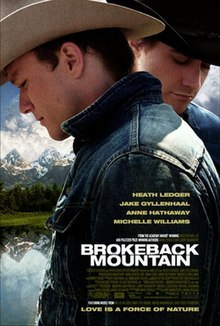
An example in the film industry is Brokeback Mountain. The reason Brokeback Mountain would be a cultural competence is because the film pushed the boundary as in at this time homosexuality wasn't accepted and people stereotyped cowboys as the sort of men that would not be homosexual.


An example in radio is that their could be a show on and they're having a discussion about different cultures. One of the presenters could talk about a culture you haven't heard about and make an opinion on this culture that sounds slightly harsh, therefore I could go onto the internet and search this culture for myself as their opinion is only an opinion and not fact so I could find my own research onto it.

Fan culture 
Fan culture is the way that fans are having an active influence on the media product and society

For example in television and film, their is a programme called Veronica Mars that is popular in the USA and the company who made it wanted to make a movie, they attempted to make the movie but didn't have enough budget to create it but with the extremely wide fan base they had, the fan base started to donate money in to the budget and now the movie is being made.

Resources:
Image 1 
Image 2
Image 3
Image 4
Image 5
Audience theory


Tuesday, 16 April 2013

Hypodermic needle theory, users and gratifications, reception study and passive or active consumptions

Radio station
In this lesson we had to learn about the different audience theories. This blog post is going to explain what the hypodermic needle, passive and active consumption and uses and gratification is, with examples of how radio stations can use these different theories.

Hypodermic needle

Hypodermic needle is the idea that the media is injecting certain things into you and passing on subliminal messages to make you think you need certain things in your life. For example commercial radio stations have advertisements and these advertisements are there to persuade you to buy something even if you don't need it as mass media has a large effect on audiences.

For example radio stations like KISS advertise some cleaning products like Flash or Dazz and they make you feel like you must have one of those products and they describe it in the way that makes you feel like you should and must have one.

Passive and active consumption

Passive means they don't really have an opinion, they don't take much in and they don't pay a lot of attention but active means they go out of there way, they're mostly social network users and they create a large excitement about whatever they love and they share their opinions, read other blog posts and buy merchandise.

If passive people were listening to my radio station they'd just listen in to my show and they wouldn't bother doing much otherwise than listen to it.

If active people were listening to my radio station they'd be able to be active by listening in continuously, leaving comments on Facebook or Twitter and they can ring or text into the show.

Uses and gratification
Uses and gratification means to understand what people do with the media products.
For example -
  • Emotional release
  • Escaping from reality
  • Pleasure
If someone was going through a break up, they could listen to my radio station so they could hear all happy songs that would cheer them up and make them feel a lot more happy or they may of wanted to escape from the real aspect of life so they might listen to forget about their problems, which is a similar reason to the emotional release and finally they may listen to my radio for pleasure as I play many of their favorite artists.

Reception theory
Reception theory is how the audience interpret the product and what they take from it.

For example they would take a song, news story or topic from the radio show and put meaning behind it because of what they feel or believe, or have had experiences will similar things in the past.

Resources:
Uses and gratification
Image 1
Image 2


Reception theory

Reception theory
In this lesson we watched Vantage Point and we were asked to then speak about how reception theory works while watching a film. This blog post will explain what reception theory is and how it effected me whilst watching Vantage Point.

Reception theory provides a means of understanding media texts by understanding how these texts are read by audiences. Reception theory argues that contextual factors, more than textual ones, influence the way the spectator views the film or television program.


Vantage point

When I watched Vantage Point I was in a classroom with natural light coming through the window where I was sat. Therefor it wasn't a scary or there wasn't an atmosphere that put me on edge.  I also watched it with my friends therefor I wasn't scared as they were making situations slightly funny and I couldn't take the film serious where as if I had watched Vantage point in the cinema there would of been a different atmosphere as it would be pitch black, I would of been with strangers, it's a larger room with no windows and only escape doors therefore it could make you feel clostrephobic and more on edge than you would be at home in a place you know and you feel safe, it would of felt more tense.

Recourses:
http://www.filmreference.com/encyclopedia/Independent-Film-Road-Movies/Reception-Theory.html

Tuesday, 26 March 2013

Tuesday, 19 March 2013

Second Media Product

Music video 
In this lesson we had to look at the different aspects of researching. I then need to create a blog post explaining the different types of researching and how I can use them to help create a music video for my FMP.

For my second media product I'd like to create a music video. I need to look at the different types of audience feedback to find out how I can find my perfect target audience.


Primary research

I can go out and give questionnaires to the target audience I would like, therefore I would get back the answers I need to create something they would like.

Quantitive

I can find quantitive research by creating polls on the internet. This would be good as the internet is used so often and so much by teenagers that I could get a big audience of answers.

Qualitative 
I can create a focus group to find out more in depth information. This would be good because then I would have a more detailed discussion into the target audience and what they would want instead of a one word answer.

Secondary research
I can find qualitative research by looking at the target audience of other similar music genres. As I'd most likely create an upbeat song I could look at Hip Hop, Rap or R'n'B songs.

I can also look on BARB which is the Broadcasting Audience Research Board and they will show me which music channels are most popular and have the most popular shows. This could help me in my discovery because I would know what to watch, what my target audience watch and where to possibly broadcast my music video.

The BBC looked into how music plays within the life of a teenager and the research they did on their target audience was telling them to keep a journal of the music they came into contact with music and how, they got a group of the target audience together and created a talking session to find more out. They also were given cameras to take photos of their lives and moments with their friends, so the BBC could see what sort of people they were targeting and finally a couple of people in the target audience had a researcher following them throughout their daily life and taking notes of what was going on within there day to day business. 

Resources:

Audience feedback

Audience feedback
In this lesson we learnt about audience feedback, I then put that research into examples for my first FMP idea.

Audience feedback can be:
  • Focus groups
  • Questionnaires/Survey 
  • Reviews 
  • Letters 
  • Complaints 
Audience feedback within magazines can be done in different ways. 

For a focus group they get a small group of the target audience together and will hand them out one copy of the magazine, they then will get the group to comment on what's good and what's bad. This is a good process as they're hearing directly from the target audience and they are getting all types of feedback. 
With questionnaires they can put a questionnaire in the magazine and see if the people who buy it will fill them out. This is good because it will go to a lot of people and you'll get many different opinions but also it's bad because most people throw away any loose papers in their magazines and aren't interested in answering questionnaires, so they might not get answered. 
Reviews of magazines aren't done very often but again like the questionnaires, they might send out a review of the magazine along with the magazine, but this has the same good and bad points as questionnaires do.

Another thing with magazines that's different to some media products is that you can send emails and letters to the people that create the content of the magazine. If there's something in for example, Heat magazine, that the audience aren't happy about they can contact the magazine and tell them what they didn't like and sometimes they will even post the emails or letters in their magazine.

Complaints are deemed as good feedback because sometimes if you have a wide range of complaints that means people may buy your product so that they can see what people are complaining about. Also the term "Bad and good is better than none at all" is used throughout the Media industry.

Resources:
Image 1
Image 2

Tuesday, 5 March 2013

Representation

Representation 
In this blog post I will explain what representation is and how it is used within magazines as this is my first FMP idea.

Representation is how something is shown through symbolisation or stereotypes. For example a person, location, country, place or companies.


Locations
Essex - When you think of Essex you automatically stereotype it by suggesting the people are all orange.
England - People think that all British people drink tea and eat a big breakfast.
Abroad countries - Places like the Caribbean and Spain, you think they're going to be sunny all the time.

Places
Castles - You think they'll be really well looked after and wealthy.
Council estates - You think they might be rough.

Companies
Harrods - Rich people would shop there.
Poundland - Poor people would shop there.

Magazines
Representation is shown through magazines in many different ways. Through adverts, men and articles depending on what they are.

Representation is shown through adverts because of something like a make up advert. For a make up advert they are going to use a attractive female to show the make up off because this will show the audience it looks really good, they wouldn't use females that would be deemed as ugly.

In Heat magazine they have a 'Torso of the Week' and for this they use a man who is fit, has a muscly body and is attractive. Again like the advert, they're going to use someone attractive, not a man who is over weight or extremely skinny.
Sometimes in Heat they do stories on celebrities that are over weight or have bad skin. For stories like this they always use celebrities that are over weight and have skin problems because if they used skinny and good skinned celebrities, it wouldn't interest the readers.

Some more adverts through Heat is TV adverts. Heat advertised X Factor and instead of showing Simon Cowell or Louis Walsh which wouldn't be as exciting to draw attention, they used Cheryl Cole, who was a lot more attractive and it is stereotyped because the people who made it would think Cheryl is more attractive to the eye, so we'll use her.


Resources:
https://blogger.googleusercontent.com/img/b/R29vZ2xl/AVvXsEibIa1afXrmBacjMsd6zY0pctltFZl751GGpODElpfpICRMKZ3oj27d2Ul4NC67O2CFjdiYjKjkFTs7R9vMg6hoJ73GGMG4RNTU4J1FStP-1bgS6mvc9PaFA-5_pSriIiiU61tSPEzp1uuQ/s1600/MAYBELLIE+ADVERT.jpg (image)
http://img.photobucket.com/albums/v281/badgirljo/heat.jpg (image)
http://db2.stb.s-msn.com/i/4C/15AC58F48F1079FE54339E889D7D20.jpg (image)
http://img390.imageshack.us/img390/7392/358929333f567e23df214cb.png (image)